Recognize what remains
Notice how a known experience comes close again and how it affects today.
Some known memories continue to affect how we live in the present.
A song, a date, or a conversation may bring a familiar story close again. Sometimes what weighs on you is what happened; sometimes it is the conclusion you drew or an answer that never came.
Memories That Hurt offers an emotional and spiritual reflection journey to recognize that impact, distinguish what happened from what it means today, and choose possible forms of care, without searching for hidden memories or forcing tears.
Notice how a known experience comes close again and how it affects today.
Distinguish what happened from the conclusions that grew around the memory.
Name an answer, goodbye, or need left open without depending on someone else to resolve it.
Choose support, boundaries, and valued activities without erasing what happened.
Prepare a flexible response for days when the memory hurts again.
Yalma recognizes support without gratitude for harm; Yeshúa accompanies the final prayer.
Memories That Hurt does not promise to erase your memories or make the past stop mattering.
It invites you to distinguish the event, your interpretation, and its impact today, so you can choose what care or support you need.
You do not have to be grateful for harm, recover memories, or reach a perfect conclusion to keep going.
Path companions
LIORÉN gives a face to pain left unspoken. YALMA helps recognize present support without asking for gratitude for harm. YESHÚA accompanies the spiritual dimension of the journey and the final prayer.
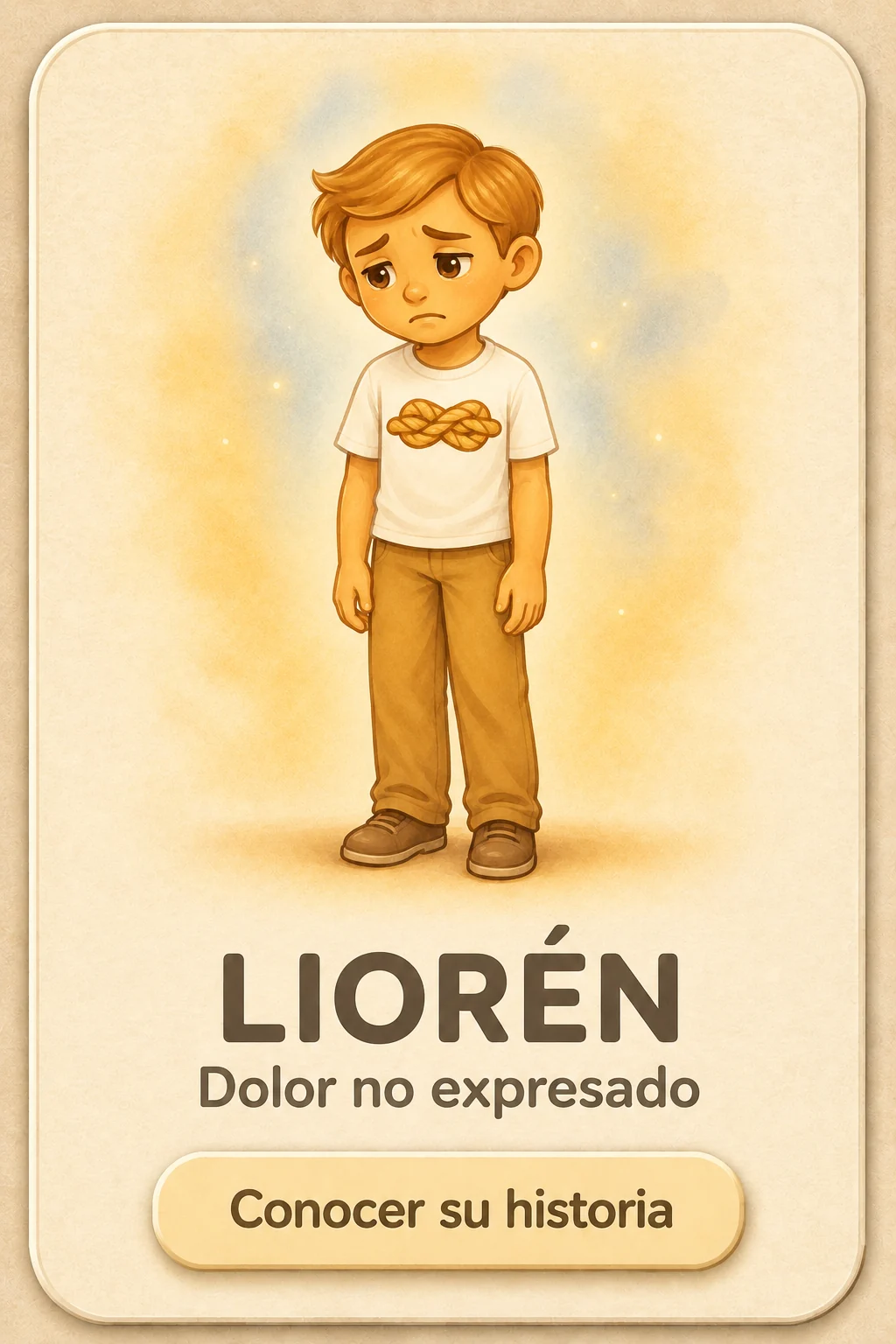
A known memory, a conclusion that still weighs, and an inner knot that can begin to find words.
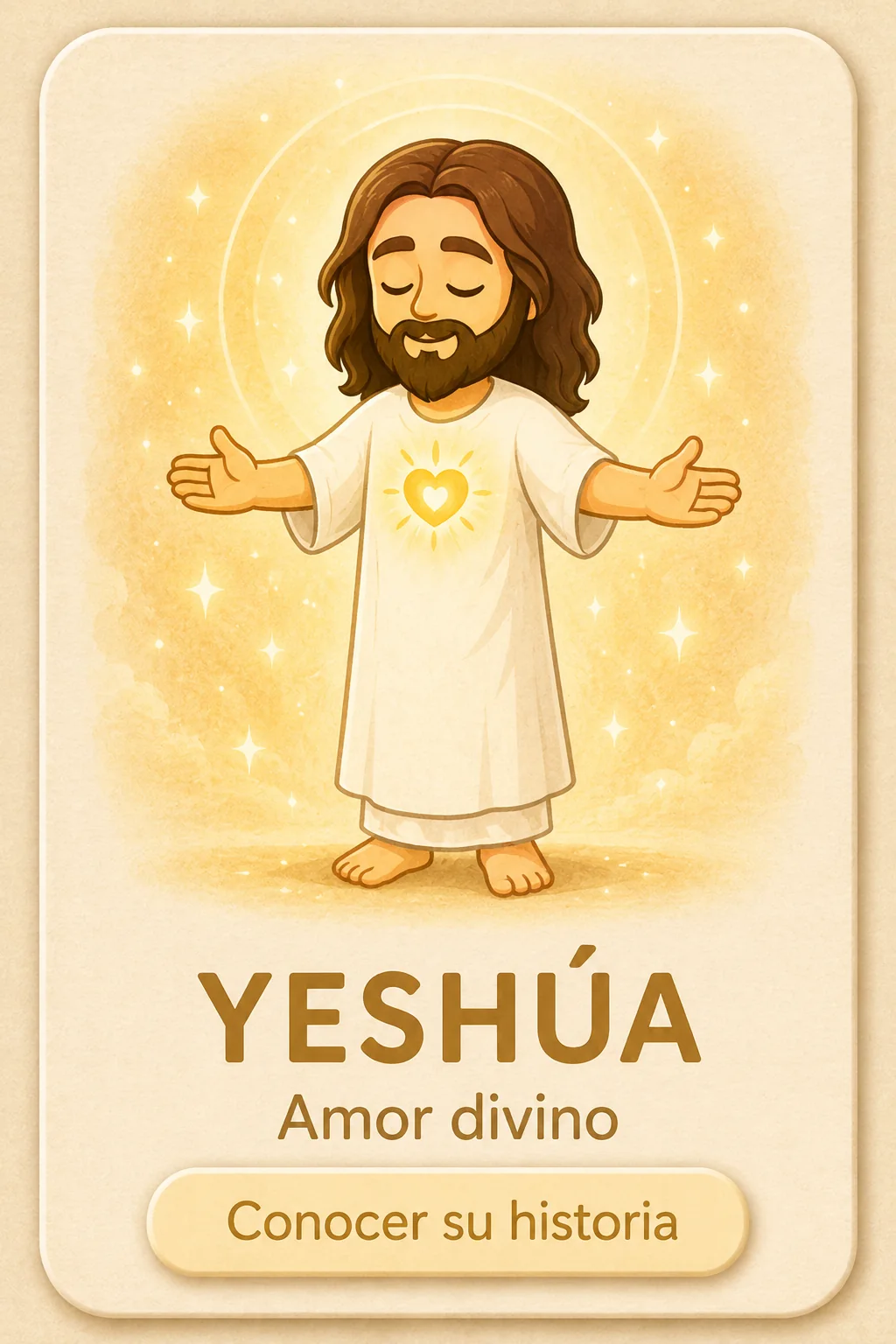
A presence of faith that accompanies without demanding forgetting or an immediate answer.
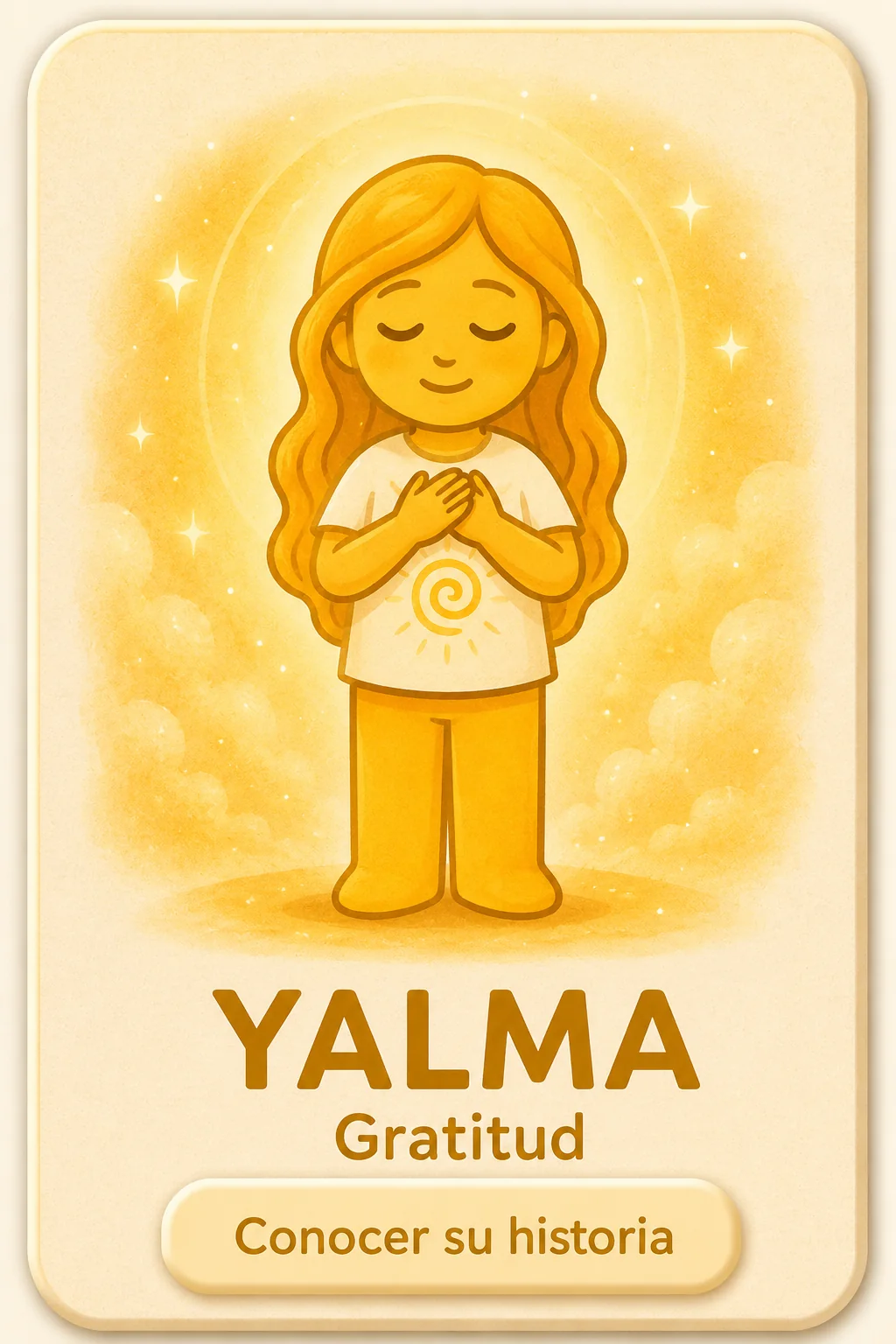
Recognizing what supports you now without denying loss or giving thanks for harm.
Read gently. Memories deserve respect.
Choose a known, manageable experience. You may read one section, pause, or leave an exercise for another time.
The practices invite you to distinguish what happened, what it came to mean, and what you need today. You do not have to search for forgotten details or tell the whole story.
This resource is a guide for emotional companionship, personal reflection, and spiritual restoration.
It does not replace therapy, medical diagnosis, psychiatric care, or professional support.
If you are experiencing intense distress, ongoing symptoms, or a situation that feels difficult to hold, seeking professional help can also be a deep act of self-love and courage.
Start with a known, manageable experience. You do not need to choose the most painful one or search for a forgotten memory.
It is not designed to force you. You can pause and move only as far as you are ready.
No. Forgiveness should not be forced; if it comes, it should arise from truth and freedom.
Not thanking the wound, but recognizing a seed of light after pain.
It is Christian-inspired: Jesus and Bible passages are woven into the journey as a respectful invitation, without imposing beliefs or using guilt.
Yes. It can complement work on painful memories, nostalgia, loss, or inner blocks.